
Bottega dell' Arte del Vino Srl
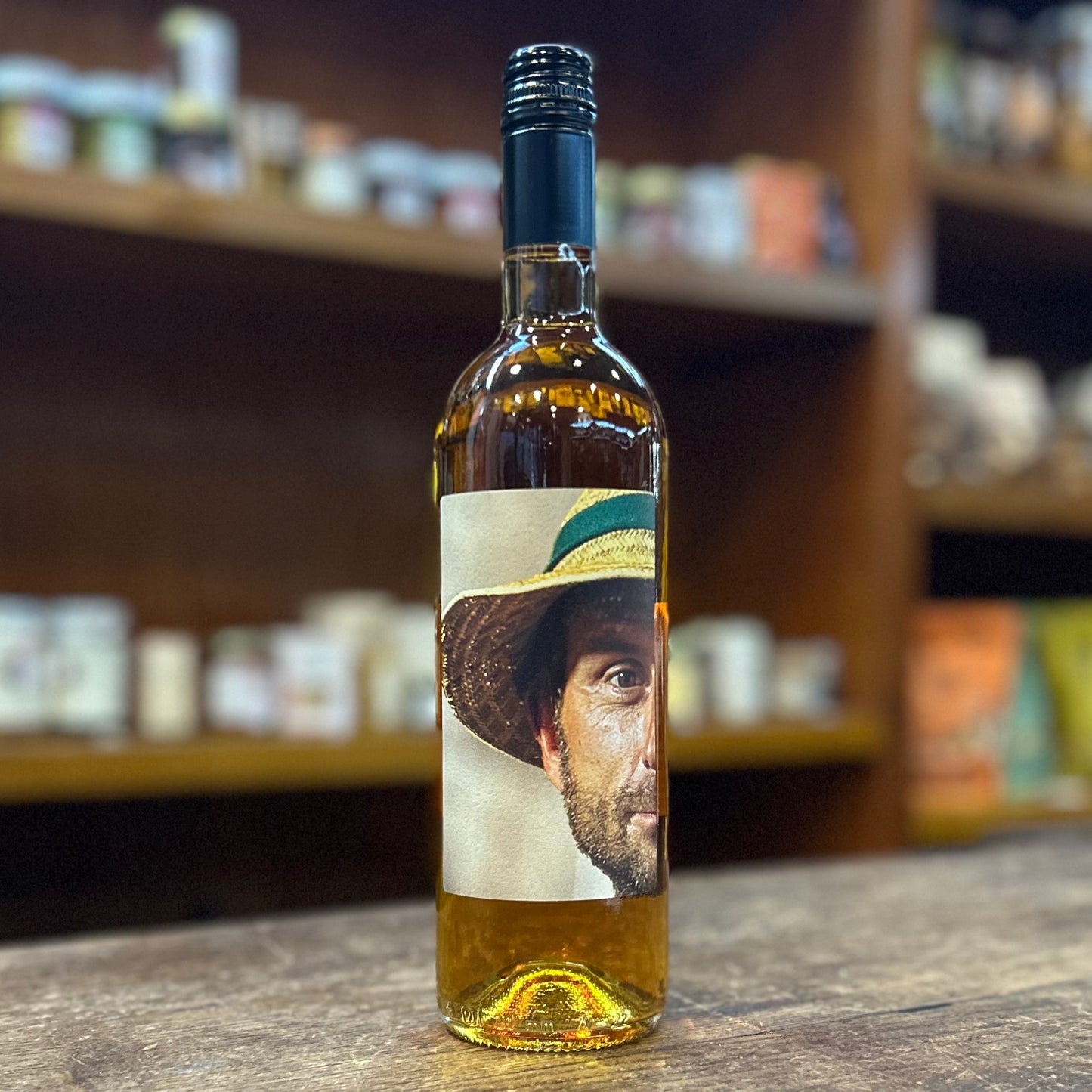
MOLISE Vaira Farm - Vincenzo Bianco 2024 0.75L
MOLISE Vaira Farm - Vincenzo Bianco 2024 0.75L
Couldn't load pickup availability
Designation of Origin: Molise PGI
Color: white (orange)
Type: still
Grape variety: Falanghina
Alcohol content: 12%
Bottling location: Petacciato (CB) ITALY
Description:
Golden yellow in color with amber highlights typical of wines left on the skins, the nose offers aromas of dried apricot, aromatic white flowers, mandarin peel, quince, and yellow plum, with notes of sweet almond and delicate spices. On the palate, it is a medium-bodied wine with good complexity that balances its minerality and deep acidity, with notes of crisp fruit, distinct yet delicate tannins resulting from maceration on the skins, and an underlying mineral character. The Falanghina here expresses itself rustically and generously. It pairs excellently with fresh and aged cheeses, savory dishes, smoked fish, seafood, elaborate appetizers, and pizza. It also pairs perfectly with creamy cheeses, smoked salmon, and traditional Molise fish dishes.
Fattoria Di Vaira is the largest farm in Molise and one of the largest biodynamic estates in Italy, with over 500 Demeter-certified hectares, 40 of which are dedicated to vineyards. On the Adriatic Sea and backed by the Southern Apennines, between the cities of Termoli and Vasto, over 100 members cultivate vineyards, olive groves, vegetables, grains, and fodder for their dairy herds. The grape varieties grown include Falanghina, Trebbiano, Montepulciano, Sangiovese, Cabernet Sauvignon, and Merlot. After years of biodynamic practices, independent analyses show that the soil has been restored to its natural state, achieving a level of purity similar to wild soil. The Vincenzo Bianco is an excellent example of a skin-contact wine: 50% of the Falanghina grapes are destemmed in the press, and 50% are vinified whole-bunch with five days of skin maceration. Fermentation takes place in steel tanks with indigenous yeasts, followed by maturation on the fine lees in steel and spontaneous malolactic fermentation. The wine is bottled without filtration or fining and screw capped.